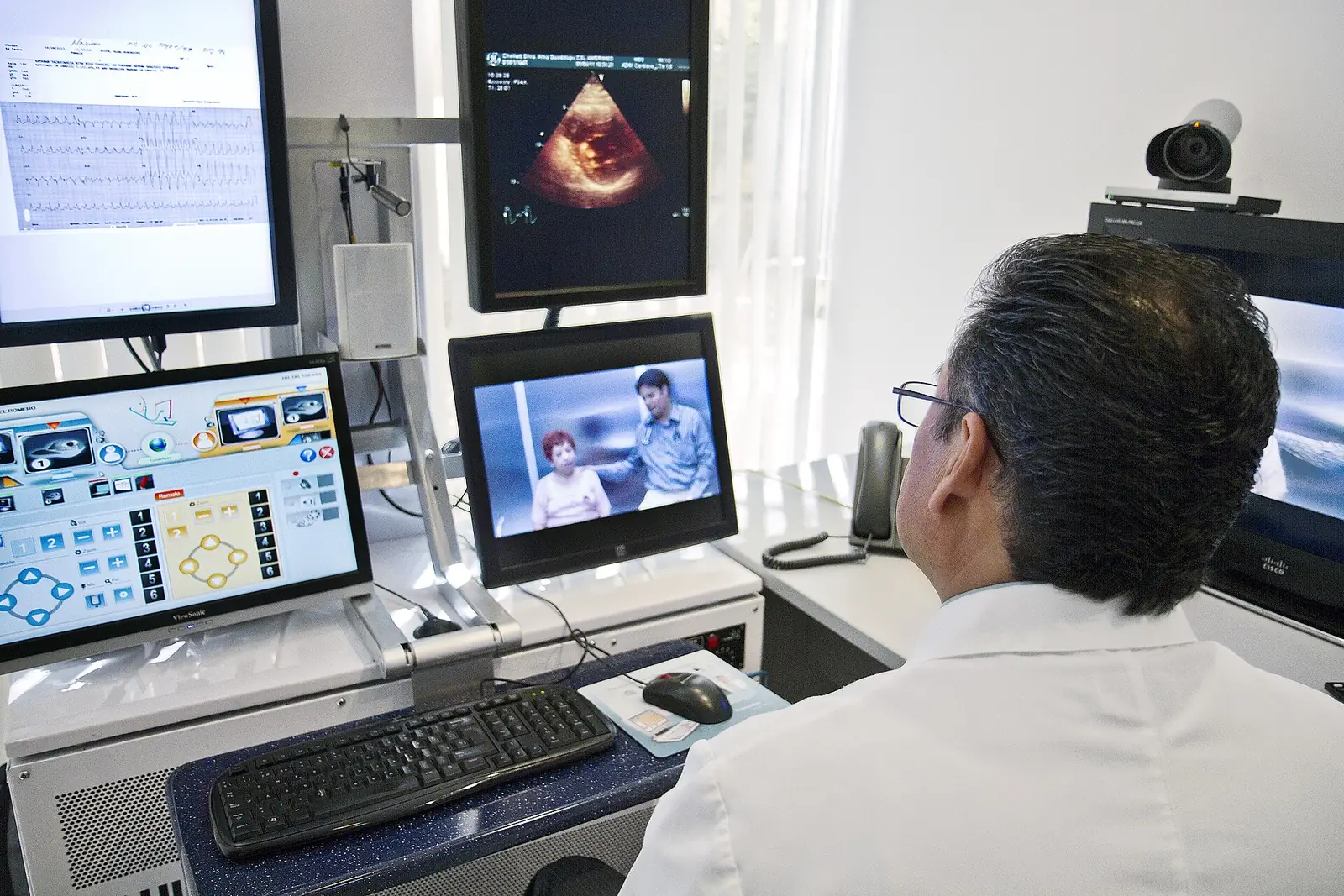
Urology visits cover a wide range of problems: urinary symptoms, kidney stones, prostate concerns, blood in the urine, infections and sexual health. The first appointment is easier if the clinician does not have to reconstruct your last two years of tests from memory.
This is general information, not a diagnosis or a plan for your case. If you are not sure a urologist is the right specialist, see when to see a urologist.
What to bring
- A photo ID, your insurance card, and a referral if your plan requires one
- A complete list of medicines, supplements and over-the-counter pain relievers, with doses
- Prior lab results, especially recent urine tests or prostate-specific antigen (PSA) results if you have them
- Imaging reports and, if possible, the images themselves, for any CT scan, ultrasound or MRI of the kidneys, bladder or prostate
- Notes from emergency visits or hospital stays related to this problem
- The name and number of your regular doctor
If the office has a patient portal, sending records ahead of time can save the first 15 minutes of the visit.
What to write down the night before
You do not need medical language. You need a clear story:
- What you notice, in your own words (pain, burning, leakage, a slow stream, getting up at night, blood, a lump, trouble with erections)
- When it started, and whether it is constant or comes and goes
- What makes it better or worse, including fluids, caffeine, alcohol or exercise
- Fevers, chills, nausea, back or side pain, or unexplained weight loss
- What you have already tried, including antibiotics
- For urinary symptoms, a simple diary for a day or two can help: when you urinated, about how much, and whether you had to rush or leak
If the visit is about a PSA result or a prostate concern, bring the dates and numbers you already have. Our PSA test guide explains what a result can and cannot tell you. If the problem may be a kidney stone, bring any prior imaging and a list of stones you have already passed, if you know the type.
Questions worth asking
- What do you think is most likely, and what else are you considering?
- Do I need any tests today, and do I need to do them on an empty bladder or after a blood draw?
- What should I do if the symptoms get worse before the next visit?
- Are there medicines or drinks I should pause only if you tell me to?
If a procedure is suggested, ask why, what the risks are, and whether there is a less involved option to try first.
Do not wait for a routine slot with these symptoms
Seek urgent or emergency care if you have:
- A high fever with pain in the back or side, which can be a serious kidney infection
- An inability to urinate, which can become an emergency
- Large amounts of blood in the urine, or blood with clots and trouble passing urine
- Sudden, severe testicular pain, which can be a surgical emergency
Call 911 or go to an emergency department if you feel severely ill, faint, or cannot get timely urgent care. A scheduled new-patient visit is not the right place to sit with those symptoms.